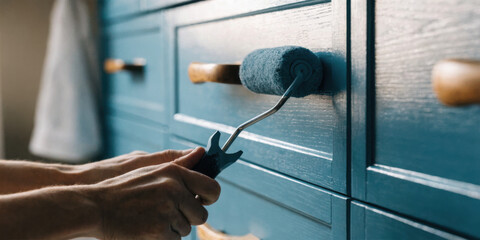
A kitchen does not always need a complete renovation to feel fresh, inviting, and completely different. Sometimes, the cabinets are the first thing that needs attention because their color, finish, or overall appearance can make the entire room look dated. Instead of removing perfectly usable cabinets, refinishing them offers a chance to experiment with new colors, textures, and design details. The right cabinet refinishing idea can transform ordinary cabinetry into a feature that adds personality and style to the room. With thoughtful planning, even older cabinets can receive a refreshed appearance that feels intentional, modern, and suited to the rest of the space.
Refresh Cabinets With a New Paint Color
One of the simplest Cabinet Refinishing Modesto ideas is giving the cabinets a completely new paint color. A fresh color can dramatically change a kitchen’s mood without requiring changes to the cabinet layout. Light shades such as white, cream, beige, and soft gray can create a clean and open feeling. These colors can also work well with different countertop materials and decorative styles. Painting is particularly useful when the existing cabinets are structurally sound, but their current color no longer matches the desired design.
Homeowners who want something more distinctive can consider deeper shades for a stronger visual statement. Dark gray, navy, forest green, and other rich colors can create an elegant, sophisticated look. However, consider the surrounding elements before selecting a bold color. Wall colors, flooring, countertops, lighting, and hardware can all influence how the finished cabinets look. Testing a small section before committing to the entire project can help ensure that the selected color works well in the actual space.
Try a Two-Tone Cabinet Design
A two-tone cabinet design is another creative way to make refinished cabinetry more interesting. Instead of using one color throughout the kitchen, two complementary shades can be combined to create contrast. For example, lighter upper cabinets can be paired with darker lower cabinets for a balanced appearance. Another approach is to use a contrasting color on a central cabinet section while keeping the surrounding cabinetry neutral. This technique can make the kitchen appear more customized without changing the existing cabinet structure.
Choosing the right combination is important because the two colors should work together rather than compete for attention. Neutral combinations can create a subtle and timeless effect, while stronger contrasts can produce a more dramatic appearance. The size and lighting of the room should also influence the decision because very dark colors can feel heavier in smaller spaces. Hardware can be selected to complement both finishes and create a unified look. When carefully planned, two-tone refinishing can turn standard cabinetry into a major design feature.
Highlight Wood Grain With Staining
For cabinets made from suitable wood, staining can be an excellent refinishing idea. Unlike paint, stain allows the natural grain and character of the wood to remain visible. A new stain can make the cabinets appear warmer, richer, or more contemporary depending on the selected shade. Lighter stains can create an airy and natural appearance, while darker stains can provide depth and a more dramatic look. This option is especially appealing for homeowners who appreciate the texture and character of real wood.
The preparation process is particularly important when staining because the existing finish may need to be removed or properly prepared. Uneven preparation can cause the new stain to absorb inconsistently and create noticeable variations. Testing the stain on an inconspicuous section can help reveal how the wood will respond to the chosen color. A protective finish can then help preserve the appearance and provide additional resistance against everyday use. With proper preparation, staining can give older wood cabinets a refreshed appearance while maintaining their natural character.
Add Depth With a Glazed Finish
Glazing can provide another way to add visual depth to refinished cabinets. A glaze is typically applied over a base finish and manipulated to emphasize selected details of the cabinet design. It can draw attention to grooves, edges, raised panels, and other decorative features. Depending on the colors used, glazing can create either a subtle dimensional effect or a more aged and traditional appearance. This makes it a useful option for cabinets that have interesting details but currently look plain or flat.
The final appearance of a glazed finish depends heavily on the application technique. Too much glaze can make the cabinets appear overly dark or busy, while too little may not create enough contrast to notice the intended effect. The base color should also complement the glaze so the overall finish remains cohesive. Glazing works particularly well when the cabinet doors have profiles or architectural details that can naturally catch the darker finish. When applied carefully, this technique can make refinished cabinets look more customized and visually detailed.
Change the Look With New Cabinet Hardware
Replacing cabinet hardware can make a surprisingly large difference after refinishing. Knobs, pulls, and handles are small details, but they can strongly influence the overall style of the cabinetry. Modern hardware can make older cabinets feel more contemporary, while traditional hardware can reinforce a classic appearance. Simple hardware can also keep the focus on a newly applied cabinet finish. Since hardware is available in many shapes, sizes, and finishes, it provides an opportunity to personalize the refinishing project.
Hardware should be selected after considering the cabinet color and overall room design. Metallic finishes can provide contrast against painted surfaces, while matching finishes can create a more coordinated appearance. The size of the handles should also be appropriate for the cabinet doors and drawers. Oversized hardware can dominate smaller cabinets, while hardware that is too small may be inconvenient to use. A thoughtful combination of refinished cabinets and updated hardware can make the entire space appear more polished.
Create a Soft Matte Cabinet Finish
A matte finish can give refinished cabinets a contemporary and understated appearance. Unlike highly glossy surfaces, matte finishes reflect less light and can create a softer visual effect. They can work particularly well with neutral or muted cabinet colors because the reduced sheen allows the color itself to become the focus. Matte cabinetry can also provide a sophisticated appearance without making the kitchen feel overly formal. This makes it a useful choice for homeowners who prefer modern designs with a subtle finish.
The practical needs of the kitchen should still be considered when choosing a matte coating. Cabinets need to withstand frequent touching, cleaning, moisture, and everyday activity. Selecting a durable product designed for cabinetry can help maintain the finish over time. Proper preparation is also essential because matte surfaces may not hide significant imperfections as effectively as some other finishes. When the surface is properly prepared and the appropriate coating is selected, a matte finish can create a clean and refined result.
Give Cabinets a Classic Distressed Appearance
A distressed cabinet finish can be considered when a more relaxed, vintage, or rustic appearance is desired. This approach intentionally creates subtle signs of wear around selected edges and details. The goal is to make the cabinetry appear naturally aged rather than perfectly uniform. Distressing can work especially well with traditional cabinet profiles and warm neutral colors. It can also add personality to cabinetry that would otherwise have a very simple appearance.
The key to a successful distressed finish is restraint. Excessive distressing can make cabinets appear artificially damaged instead of naturally aged. Small areas of wear around edges, corners, and frequently touched sections can create a more convincing effect. The technique should also complement other elements in the kitchen rather than looking disconnected from them. When applied thoughtfully, a distressed finish can give refinished cabinets character while creating a comfortable and lived-in atmosphere.
Combine Refinishing Ideas for a Custom Look
Cabinet refinishing does not have to rely on only one technique. Several ideas can be combined to create a more personalized result. A homeowner might choose a new paint color, add a subtle glaze, install updated hardware, and apply a protective topcoat as part of the same project. Another option could involve staining natural wood cabinets and using contrasting hardware to emphasize the updated appearance. Combining techniques can make the finished cabinetry feel more intentional and unique.
However, combining too many design elements can make the cabinets look overly complicated. A successful refinishing project usually has one main visual idea supported by smaller complementary details. The cabinet color should remain compatible with the hardware, surrounding finishes, and overall room style. Samples and test areas can help determine whether the different elements work together before the entire project is completed. With a balanced approach, multiple refinishing ideas can produce a cohesive appearance without overwhelming the space.
Final Thoughts
Cabinet refinishing provides an opportunity to transform existing cabinetry through color, texture, hardware, and finishing techniques. A new paint color can create a dramatic change, while staining can preserve the natural beauty of suitable wood cabinets. Two-tone designs, glazing, matte finishes, and carefully selected hardware can add even more personality to the finished result. Distressed finishes can provide character, while combining several complementary ideas can create a customized appearance. The most successful refinishing project is one that balances personal style, practical needs, and the existing design of the room. With careful preparation and thoughtful choices, refinished cabinets can give a kitchen an updated appearance without the need for a complete cabinet replacement.